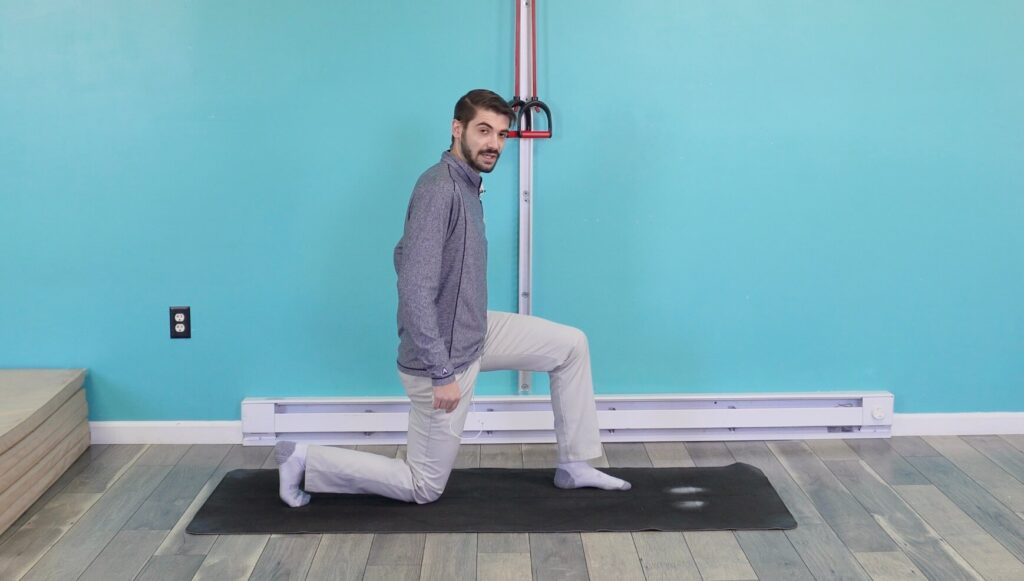
If you’re a gym goer, you know the feeling: squat racks full, barbells loaded, everyone chasing depth and maxing out. Squats are fantastic, but here’s the real question: If you only squat and never do reverse lunges… what are you leaving on the table? Let’s break it down.
Squats Are Powerful — But…
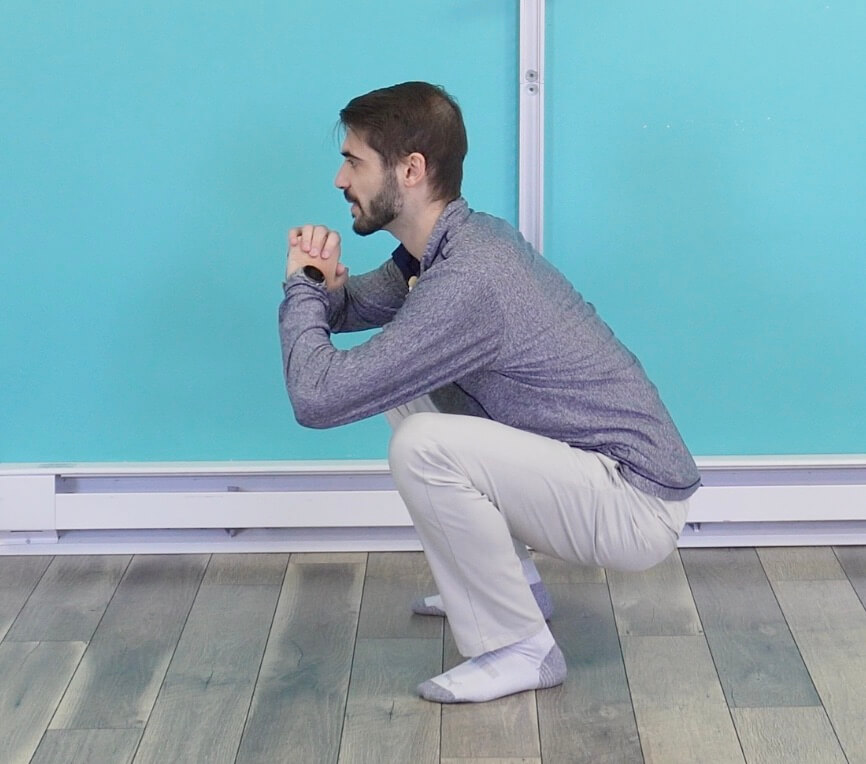
Squats are a bilateral movement. Both feet stay planted. Both legs share the load.
That’s great for:
- Building total-body strength
- Loading heavy
- Developing power
Here’s where the but comes in:
Your body is very good at compensating.
If one hip is weaker, one ankle is stiffer, one side doesn’t stabilize as well…. Your body will shift load to the stronger side during a squat without you even knowing. That is — until something starts to ache. That’s where reverse lunges can make all the difference.
Real Life Is Single-Leg
Most injuries don’t happen because you can’t squat 300 pounds. They happen because one leg couldn’t control load during a step, cut, or landing. Reverse lunges look simple, but they quietly build the control that keeps you active.
Walking, running, climbing stairs, changing direction, getting off the floor… Life happens one leg at a time. If your training is mostly bilateral, you may be missing the specific strength and coordination your body actually uses daily.

Expose (and Fix) Side-to-Side Gaps
Reverse lunges unilateral — meaning one leg does most of the heavy lifting.
When you step back the front leg’s glutes and hamstrings are working hard for you while your back toes help stabilize and support.
There’s nowhere to hide.
If one side is weaker, less stable, or less mobile, this exercise doesn’t just reveal it quickly. They give you the opportunity to strengthen it. For most active people, that single leg strength is huge for long-term durability.
Should You Stop Squatting?
Absolutely not. Squats offer amazing benefits and are great for your foundation. But if your program doesn’t include single leg work like reverse lunges you may be missing:
- Asymmetry correction
- Single-leg strength
- Hip stability
All things that are important for your not just your fitness, but your daily life, health, and longevity. The bottom line? If you love squats — keep them. A balanced program should include both types of exercise. It’s about building strength and stability where your body actually needs it.
Watch our How To Video on Reverse Lunges
FAQ: Reverse Lunges vs. Squats
Are reverse lunges better than squats?
Not better — different. Reverse lunges build single leg strength and stability that squats alone can miss.
Do reverse lunges build glutes?
Yes. When performed correctly, reverse lunges strongly activate the glutes and hamstrings of the front leg.
Can I replace squats with reverse lunges?
You can temporarily, especially if managing knee or back irritation. Long-term, a combination of both is ideal.
Get Stronger, More Stable Hips
If your exercises are feeling shaky, tight, or uncomfortable, your hips may need more support.
That’s exactly why we created MDRx Hip.
It’s a guided program designed to:
Improve hip mobility
Build single-leg stability
Strengthen the muscles that protect your knees and back
Taking only 15-20 minutes, it’s a clear plan to help your hips move and perform the way they’re supposed to.
If you want your body to feel stronger and more stable – MDRx Hip is your next step.