For a lot of people, gardening is one of the best parts of spring. The weather improves, the yard comes back to life, and suddenly you’re outside digging, planting, and creating something beautiful. Unfortunately for some, the excitement doesn’t last long. One wrong bend for the trowel ends with sharp pain in the back and the next morning? It’s like you ran a marathon… without all the good swag. If you’ve experienced back pain from gardening, you’re not alone! Gardening is surprisingly demanding on the body, especially after a long winter of being less active. The good news is that most gardening-related back pain isn’t caused by something serious. More often, it’s the result of poor movement patterns, and stiff joints.
Let’s look at why gardening can be tough on your back—and the mobility that can help prevent it.
Why Gardening Is Hard on Your Back
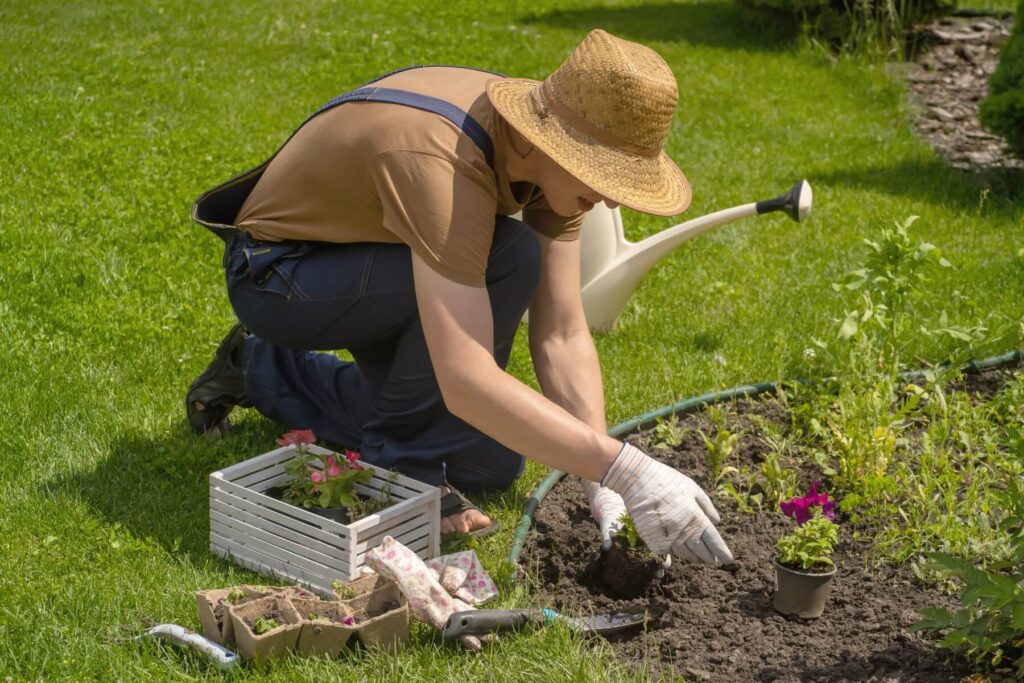
Most gardening tasks involve some combination of bending forward, kneeling, twisting, and lifting. On top of that, you repeat these movements for hours at a time. If your hips, ankles, and spine aren’t moving well, your lower back ends up doing the grunt work. That’s when back stiffness and soreness start popping up (like your daffodils should). This is especially common in spring because many people go from hibernating all winter, on the couch mostly, straight into physical yard work. Your body simply needs a little preparation!
Your Hips Aren’t Moving Enough
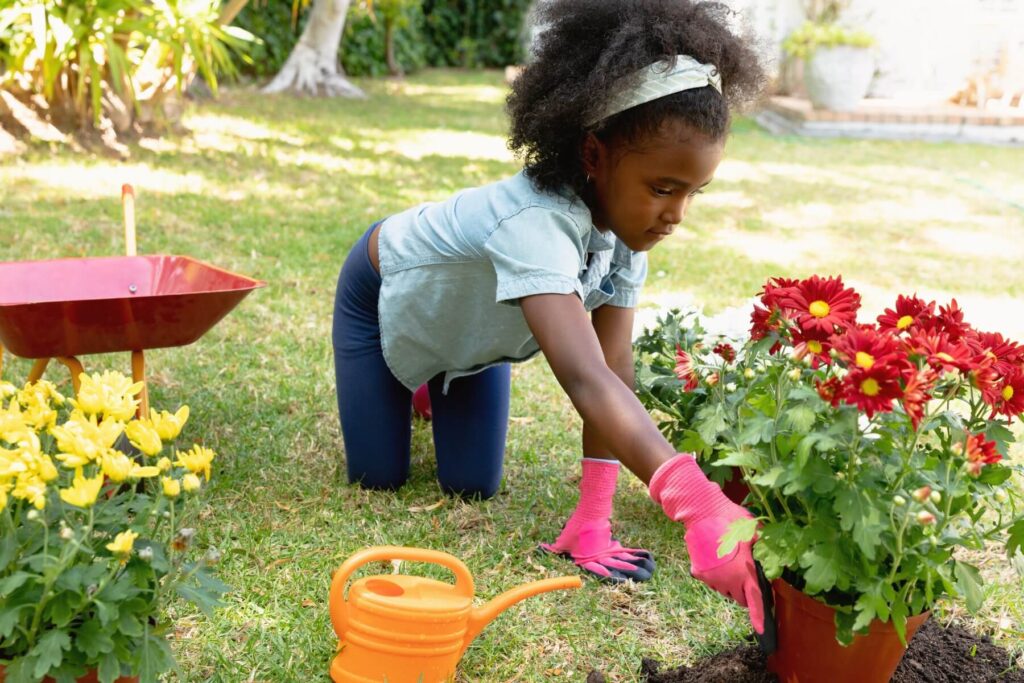
When people experience back pain from gardening, they often assume the problem is their back. However, in many cases, a lot of back issues actually start at the hips. The hips are designed to hinge. That means they handle a lot of bending and lifting. When they get stiff and lose mobility, often from long periods of sitting, the lower back compensates.
Think about common gardening tasks:
- pulling weeds
- planting flowers
- digging holes
- lifting bags of soil
Ideally, these movements should come mostly from hip hinging and your legs, not your spine. When hip mobility is limited, people tend to bend excessively through the lower back instead. Over time, that repeated stress leads to soreness and fatigue. Improving hip mobility helps distribute those loads across the body the way they’re meant to be.
Ankles Matter More Than You Think
Ankle mobility might not be the first thing you think about when dealing with back pain from gardening, but it plays a big role. When ankles are stiff, it becomes harder to squat, kneel, or lower yourself toward the ground comfortably. Instead of bending through the hips and knees, we start rounding our backs to reach the ground.
Better ankle mobility allows you to:
- squat more comfortably
- shift weight through your legs
- reduce strain on the lower back
Even small improvements in ankle movement can make gardening positions much easier on the body.
Why Twisting Causes Problems

Many gardening activities involve twisting while bent forward. Simple tasks that you don’t even think about like reaching for your tools, pulling weeds, and grabbing your plants. The problem is, twisting through a flexed lower back repeatedly can irritate the spine.
When we lost mobility in one part of the spine, other joints or areas of the spine end up picking up the slack. Part of the spine that often gets tight but can help avoid some of that strain in your lower back is your thoracic spine or middle back.
A Simple Mobility Routine Before Gardening
The best way to prevent back pain from gardening is to prepare your body before you start. Just a few minutes of movement can help wake up the muscles and joints that will be doing the work.
Before heading into the garden, try a short routine that includes:
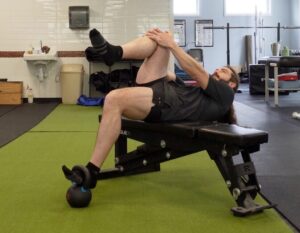
- Hip openers
These help restore mobility to the hips and reduce the amount of bending that happens in the lower back. Standing Pigeon is one of our favorites!
- Glute activation
The glutes are powerful muscles designed to support lifting and bending. Activating them before gardening helps offload stress from the spine. Glute Bridges are an excellent way to activate them.
- Gentle spinal mobility
Moving the spine through a comfortable range of motion prepares it for the twisting and reaching that often happens during gardening tasks. Twisted angels give a spinal twist with a touch of hip mobility!
- Light squatting movements
A few slow squats can help your hips, knees, and ankles prepare for kneeling and bending. Chair or box squats are perfect! If you’re up for a challenge try single leg!
Even five minutes of mobility work can make a noticeable difference in how your body feels later in the day.
Don’t Forget Recovery

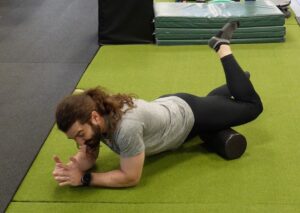
Gardening can involve repetitive movements that create tension in the lower back, glutes, hamstrings, and calf muscles. Taking a few minutes after working in the yard can go a long way to address tightness! Tools like muscle scrapers or foamrollers can be helpful for improving tissue health and reducing adhesions that develop from repetitive activity.
For many people, simple recovery habits can be the difference between feeling stiff for days—or being ready to get back outside the next morning. So instead of coming in and collapsing on the couch with a cold drink, keep the drink but take 5 minutes to stretch it out!
Gardening might not look like a workout, but it places real physical demands on your body. When people experience back pain from gardening it’s usually because the body wasn’t prepared for it or they overdo it. Improving mobility in the hips, ankles, and spine allows your body to handle bending, lifting, and twisting more efficiently. With a little preparation and recovery work, you can enjoy gardening without the back pain that often comes with it.
Summary FAQ:
Why does gardening cause back pain?
Gardening often involves bending, twisting, and lifting repeatedly for long periods of time. If hip and ankle mobility are limited, the lower back ends up doing more work than it should.
How can I prevent back pain from gardening?
Preparing your body with a short mobility routine before gardening and addressing muscle tightness afterward can help reduce strain on the back.
Is bending bad for your back while gardening?
Bending itself isn’t harmful, but repeatedly bending through the lower back instead of the hips can create excess stress on the spine.
Stop Dealing With Constant Back Pain
If you’re living with back pain, you know how frustrating it can be. Stretching helps for a moment… but the pain always seems to come back. MDRx Back Pain gives you a simple, guided routine designed to improve mobility, activate the right muscles, and support a healthier spine. Just a few minutes a day can help you move with more freedom and less pain.