
If you’ve ever typed “best strength training exercises for runners” into Google, you already know what happens next. You’re hit with list after list of squats, lunges, and planks—usually with no explanation of why those exercises matter or how they actually help you run better. Here’s the truth: the problem isn’t that runners don’t know what exercises exist. It’s that most runners are choosing exercises without understanding what their body actually needs.
Why There Is No Single “Best” Exercise for Runners
Let’s clear this up first: there is no universal “best” strength training exercise for runners.
A new runner building stamina for longer distances has very different needs than a seasoned marathoner. Someone coming back from knee pain shouldn’t be training the same way as someone chasing a PR. Terrain, volume, injury history—all of it matters.
Instead of chasing trendy exercises, the smarter approach is to understand what makes an exercise good for running in the first place. The best strength training exercises for runners all share a few key qualities—and once you know them, choosing the right exercises becomes a lot easier.
The 4 Qualities the Best Strength Training Exercises for Runners Must Have
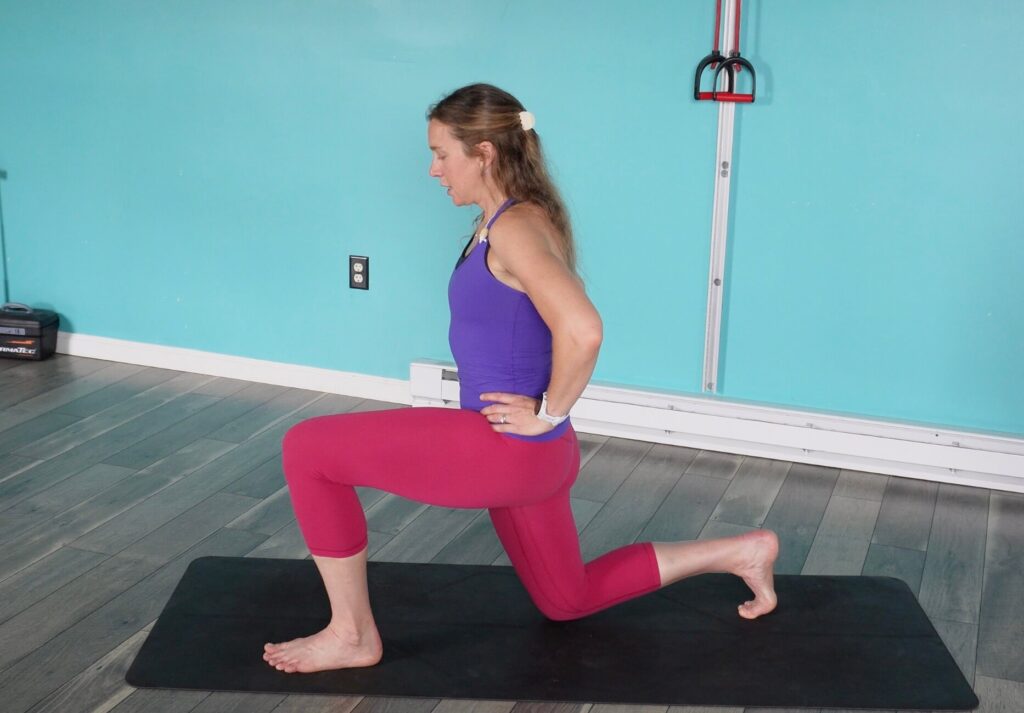
1. Single-Leg Focus
Running is essentially a series of controlled alternating single-leg hops. If your strength training only happens on two feet, you’re majorly missing the point.
Single-leg exercises help improve:
- Coordination
- Independent hip and knee control
- Balances Asymmetries
Examples: Bulgarian split squats, step-downs, single-leg box squats
2. Joint Control & Stability
Most running injuries don’t come from weakness alone—they come from poor stability. When the hips, knees, or ankles can’t manage load well, something eventually starts to complain.
Strength training should teach your joints how to:
- Control motion under load
- Stay stable through impact
- Maintain alignment as fatigue sets in
Examples: Single-leg RDLs, lateral lunges, controlled step-ups
3. Load Tolerance
Running places a lot of repeated stress on the body. Strength training helps your muscles adapt to that stress instead of breaking down from it.
This doesn’t mean head straight to heavy lifting all the time—it means gradually teaching your body how to absorb and produce force efficiently.
Examples: Tempo squats and step downs, loaded carries, split squats with progressive load
4. Carryover to Running Mechanics
Exercises should improve how you move, absorb force, or maintain form while running. The best strength training exercises for runners improve:
- Stride efficiency
- Push-off power
- Resilience late in runs
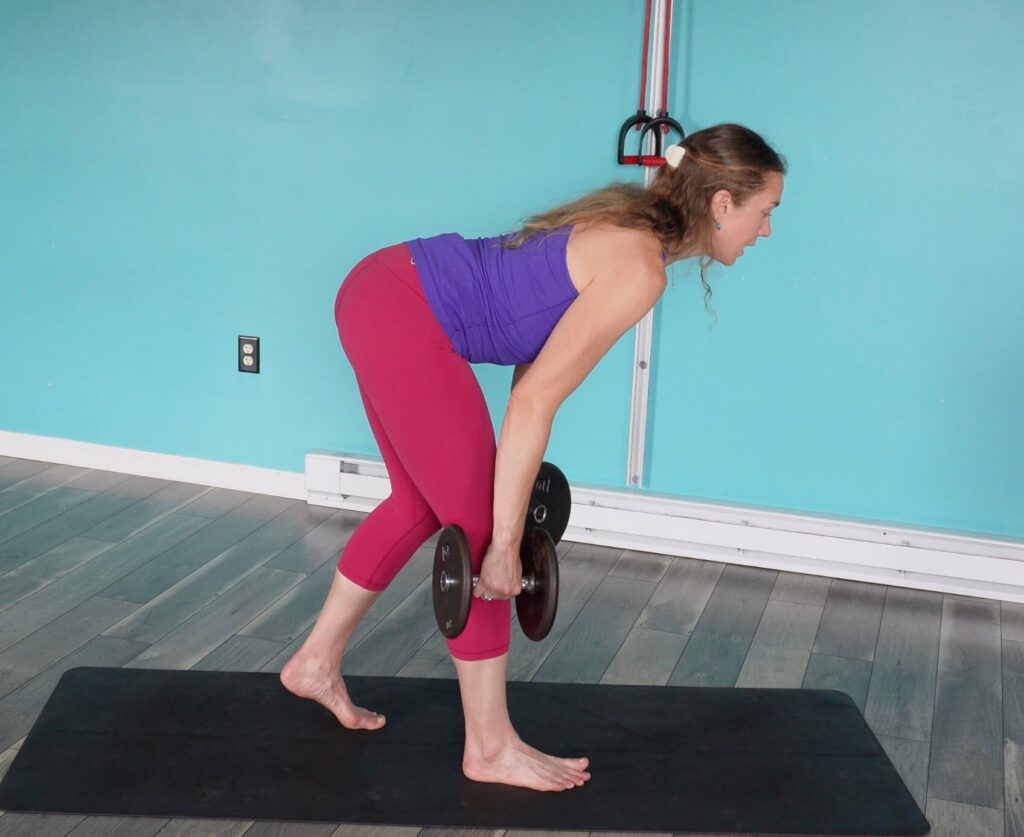
What’s important to remember is that not all exercises are going to “look like running”. That doesn’t mean their benefits won’t carry over. The biggest way to translate the strengthening into your running is to think about how you’re moving WHILE you’re running.
Your form might be perfect doing your exercise, but if you don’t actively try and apply that to your form while you’re running…there isn’t much of a point!
Common Strength Training Mistakes Runners Make
Even runners who do strength train often fall into these traps:
- Chasing soreness instead of progress
- Only stretching instead of building strength
- Avoiding load out of fear of “getting bulky”
- Doing flashy exercises that look athletic but don’t transfer to your running needs
Strength training should support your running—not compete with it.

Train Smarter So You Can Keep Running
The goal of strength training isn’t to turn runners into lifters. It’s to help runners stay healthy, efficient, and consistent.
When you stop searching for the “best” exercise and start choosing exercises that support how you run, everything changes—from injury risk to performance to how your body feels week after week. Because you’re not average… and your training shouldn’t be either.
Follow Along With Dr. Chloe for her Favorite Post Run Stretching Routine
Every runner might need slightly different strengthening, but all runners need these essential stretches!
We’re targeting the key areas of the lower body for a 15 minute follow along stretch routine. Grab your mat, a pillow or yoga block, and lets go!
Want The Guesswork Taken Out?
After working with thousands of runners looking to bulletproof their bodies and optimize for running, we’ve learned a thing or two about some key areas!
MDRx Runner: Strength and Mobility offers a holistic approach to keeping your body healthy and strong for running.