If you’re an active adult, chances are stretching is a staple in your routine. But here’s the uncomfortable truth: stretching isn’t always helping the way it should. In fact, a lot of us stretch consistently and still feel tight, limited, or stuck. We’ve all been there. Dealing with those hip flexors that never open or shoulder tension and twinges that never seem to go away. So let’s break down the five most common stretching mistakes to avoid — and what to do instead.
1. The Wrong Type of Stretching at the Wrong Time
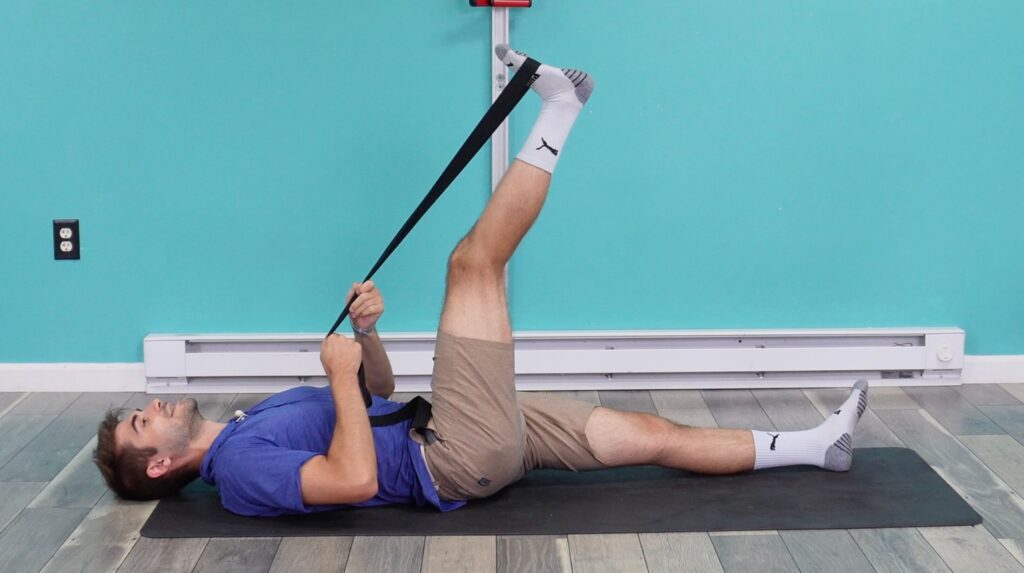
I know what you’re thinking… Isn’t a stretch a stretch? No. Not all stretching is created equal.
There are two primary types:
- Static stretching: Holding a muscle in a lengthened position (like touching your toes and holding for 30 seconds or more).
- Dynamic stretching: Controlled movement through range (like a runner’s hamstring stretch or even walking lunges).
Here’s where most people get it wrong:
Static stretching elongates the muscles. Using static stretching right before doing an activity can actually reduce power output. That’s not what you want before activity that requires speed or strength. Dynamic flexibility work on the other hand, prepares the nervous system and increases usable range or motion.
What to do instead:
- Use dynamic stretching before workouts.
- Save longer static stretching for after activity or separate recovery sessions.
2. Stretching Through Pain
There’s a big difference between discomfort and pain. Mild pulling? Normal. Sharp, stabbing, or burning pain? Not great. The idea of “no pain no gain” is not the best way to approach this! I know we all want the perfect form right away but forcing will end up hurting you instead of helping you.
What to do instead:
- Stay in ranges you can control
- Breathe
- Think “delicate” not “force”
3. Stretching an Injury Without a Plan
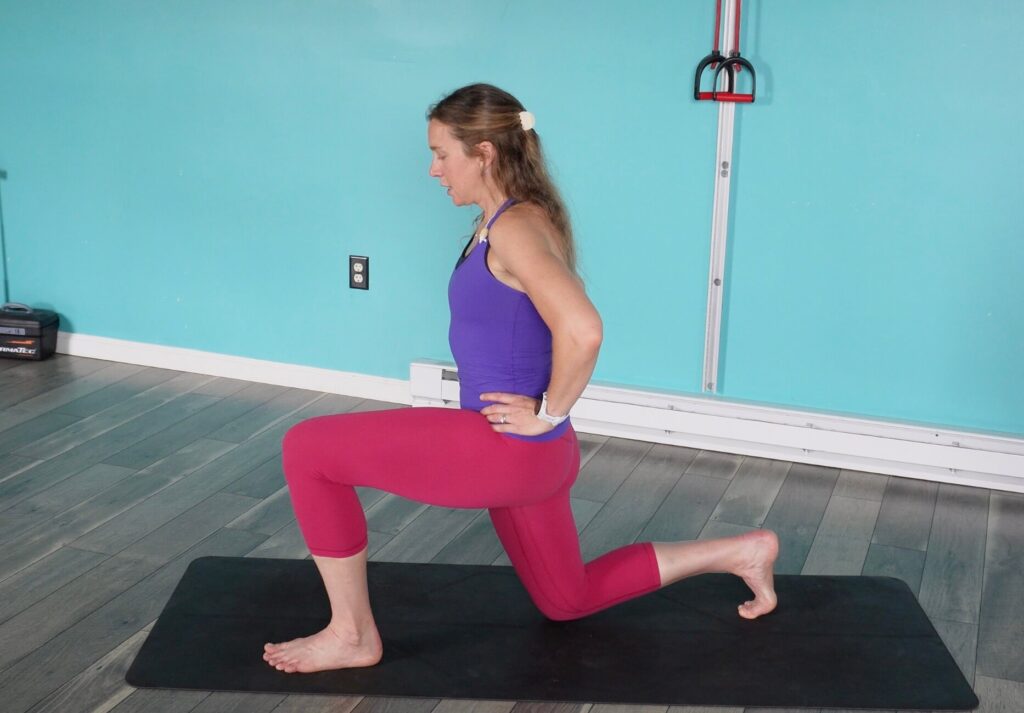
Hamstring strain? Stretch it. Achilles irritation? Stretch the calves. Low back pain? Hang forward and hope for the best.
The problem is that injured tissues often need a little more care — not aggressive lengthening.
Some issues respond better to progressive strengthening rather than lengthening and pulling at irritated tissue.
What to do instead:
- Reduce inflammation and irritation first
- See a trusted physical therapist to guide you
Stretching alone rarely fixes an injury. It’s part of a bigger strategy.
4. Using Improper Form
We all want to look like the demonstration right away, but trying to get that ideal position may actually not be helping you at all! A great example of this is a toe touch. If you’re rounding your lower back just to reach your toes, you’re not effectively stretching your hamstrings… You’re mostly adding unnecessary strain on your low back.
Compensation creates the illusion of flexibility — without building usable flexibility.
What to do instead:
- Don’t go for picture perfect, go for YOUR ideal
- When you start to feel that light pull, you’ve hit your end range
- Move slowly and intentionally
Quality matters more than how far you can reach.
5. Being Inconsistent
Our number 1 stretching mistake to avoid is inconsistency! We know life gets busy, but stretching once a week for an hour doesn’t create lasting change. That means even when you don’t want to…. you’ve gotta work on it. Flexibility is a skill. And like any skill, it improves with consistent practice.
The good news? You don’t need an hour. Ten minutes daily beats one long, distracted session every weekend.
What to do instead:
- Attach your flexibility routine to something you already do (after workouts, before bed, during warm-ups).
- Have a well rounded routine so you’re not just stretching the same thing
- Be patient. Real change takes time! (at least 4-6 weeks)
The Bigger Picture: Flexibility vs. Mobility

Flexibility is passive range. Mobility is active, controlled range.
If you gain flexibility but can’t stabilize or produce force in that new position, you’re opening yourself up to instability and worst of all injury.
That’s why stretching alone often feels like it doesn’t quite solve the problem long term.
For active adults who want to stay strong, resilient, and doing what they love for years to come, you need to focus on mobility. Mobility combines flexibility, stability, and strength. If you’re stretching consistently and still feeling stiff, restricted, or limited in your workouts, it may not be a flexibility issue at all.
It could be:
- A stability limitation
- Not having enough strength to hold in that position
- Or simply a movement pattern that needs refining
At Mobility-Doc, we help active adults identify what’s actually limiting them and build a clear plan forward. If you’re in the Lehigh Valley and want to move better, feel stronger, and stop guessing with your mobility work, we’d love to help.
Because stretching isn’t the goal. Moving well is.
Only Have 5 Mins?
Looking to start or end your day right but are short on time? This 5 minute mobility routine targets all the major areas. Incorporate it into your day let us know what you think!
Want to supercharge this? Do it twice a day – when you wake up and before bed! 💪
How You Treat Your Body Today Impacts Tomorrow
Before you finish your workout—or skip your cooldown entirely—remember this: the way you move tomorrow depends on how you take care of your body today.
That’s exactly why we created MDRx Full Body 10‑Minute Mobility.
It’s a simple routine designed to help you restore range of motion, reduce stiffness, and keep your body moving the way it’s supposed to. In just 10 minutes, you’ll hit the key areas most active adults neglect—hips, spine, shoulders, and ankles—so you can move better, recover faster, and keep doing the things you love.
No complicated routines. No wasted time. Just smart mobility that works.
If you’re ready to move better in less time, start your 10-minute routine today and feel the difference for yourself. 💪