
You stretch consistently, foam roll, and do your mobility drills before workouts. But somehow, you still feel stiff, tight, and beat up. The reality is that most mobility routines are missing key pieces. If you really want to know why your mobility routine isn’t working, you need to look deeper into what you’re trying to achieve. Not only that, you could be falling victim to one of the biggest mobility misconceptions out there. Don’t worry, we’ll explain common pitfalls and give you the knowledge to overcome them.
1. Your Lifestyle Is More Sedentary Than Your Mobility Routine Can Handle

One of the biggest problems is that mobility work often can’t undo a sedentary lifestyle. You might spend 10 or 15 minutes stretching every day, so what’s the problem? If you spend the rest of your day sitting at a desk, driving, or staying in the same positions for hours at a time, that 10-15 minutes of just stretching isn’t enough.
Your body adapts to what you do most. If most of your day is sedentary, your joints move less, your tissues tolerate less movement, and muscles spend long periods stuck in shortened positions. The right mobility work can absolutely help, but daily movement habits matter just as much—if not more—than the routine itself.
2. You’re Not Doing It Consistently Enough
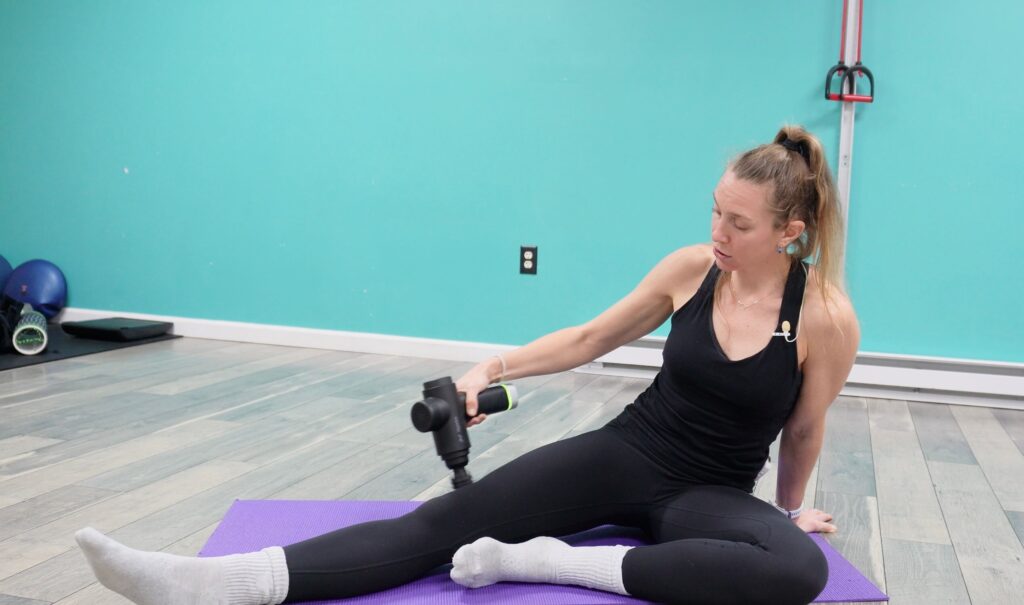
You know that old saying “consistency counts”? Well, it applies to your mobility routine as well. A single great mobility session won’t undo weeks or months of stiffness. Mobility improvements come from repetition and consistency, not random bursts of effort.
A lot of people only focus on mobility when they feel sore, injured, or unusually tight. They’ll spend an hour stretching one day and then ignore it for the next three weeks. The body doesn’t respond well to that “all or nothing” approach.
Consistent exposure is what creates change. Ten focused minutes done regularly will give you better results than occasional hour long sessions. Mobility is less about intensity and more about frequency over time.
3. You’re Only Stretching Instead of Building Flexibility, Strength, and Stability
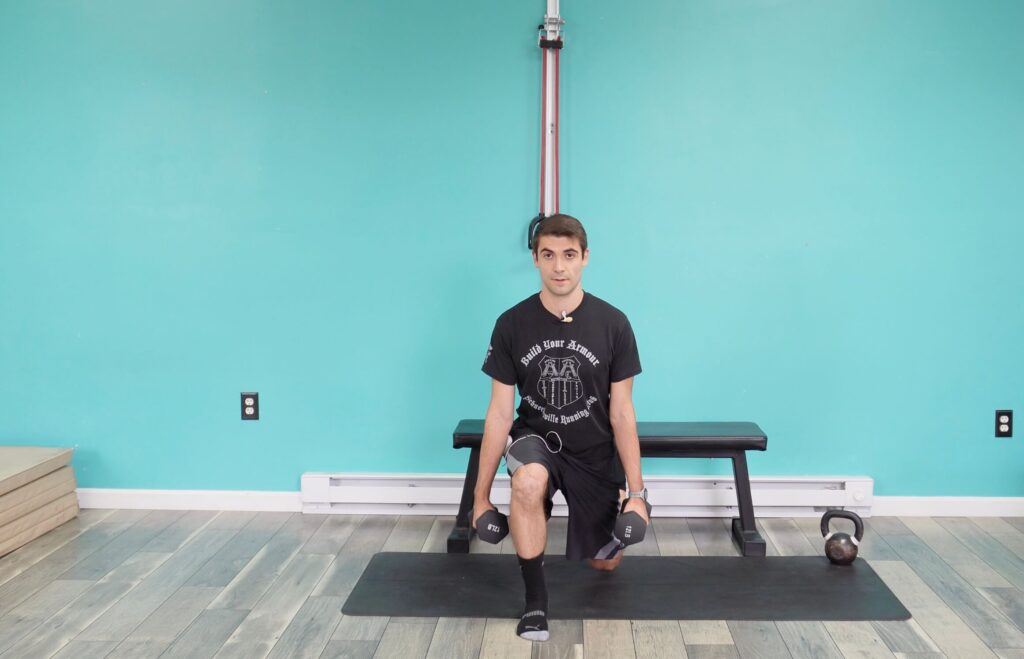
This is one of the most common misconceptions around mobility. The assumption that mobility and stretching are the same thing.
Stretching is only one piece of the puzzle.
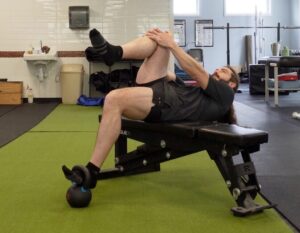
True mobility includes flexibility, stability, and strength working together. Flexibility gives you access to a range of motion, but strength and stability are what allow your body to control and use that range.
That’s why people often feel temporary relief after stretching, only to tighten right back up later. You need to reinforce the new length you found from stretching by doing activation and strength work. Those three types of exercises are what really improves your range of motion and allows you to safely move through it.
This is why strength-based mobility work tends to create more lasting changes than passive stretching alone. Take a hard look at your mobility routine. Does it include all 3 pillars of mobility?
4. Your Warm-Up Isn’t Preparing You for Your Actual Activity
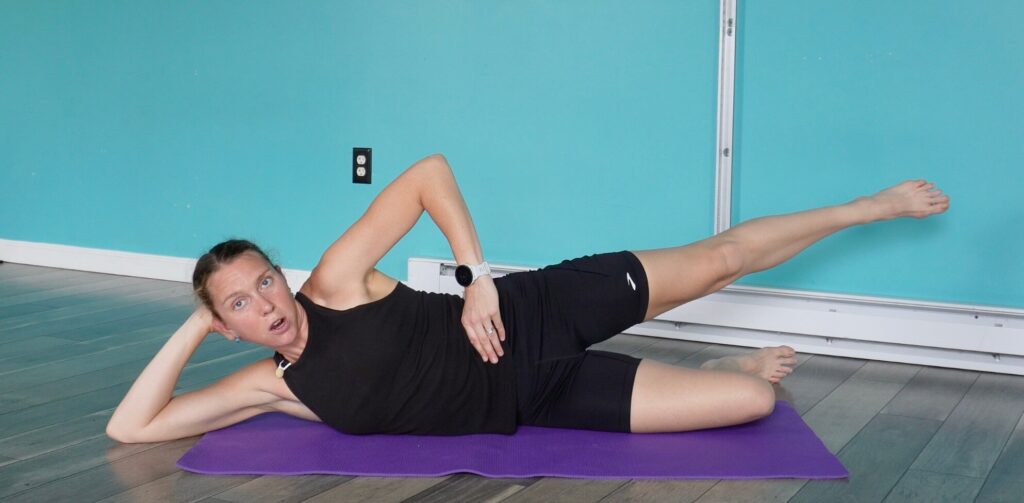
Another major issue is that many people approach mobility work with no real purpose behind it. They do random stretches because they saw them online or because they “feel tight,” but the routine doesn’t actually prepare them for the activity they’re about to do.
Your warm-up should not only match the demands of your sport or training, but it should also be tailored to you! What you need and what your friend needs might be totally different.
If you’re running, your mobility work should improve stride mechanics, coordination, and tissue tolerance. If you’re lifting, you need to prepare your body to move with control and stability under load. And if you play sports, your body needs dynamic movement that prepares you to rotate, change direction, and react quickly.
Standard static stretching routines often fall short because they don’t connect to movement quality or performance. Good mobility work creates a bridge between how your body currently feels and what you’re asking it to do.
5. You’re Chasing Feeling Instead of Solving the Actual Problem
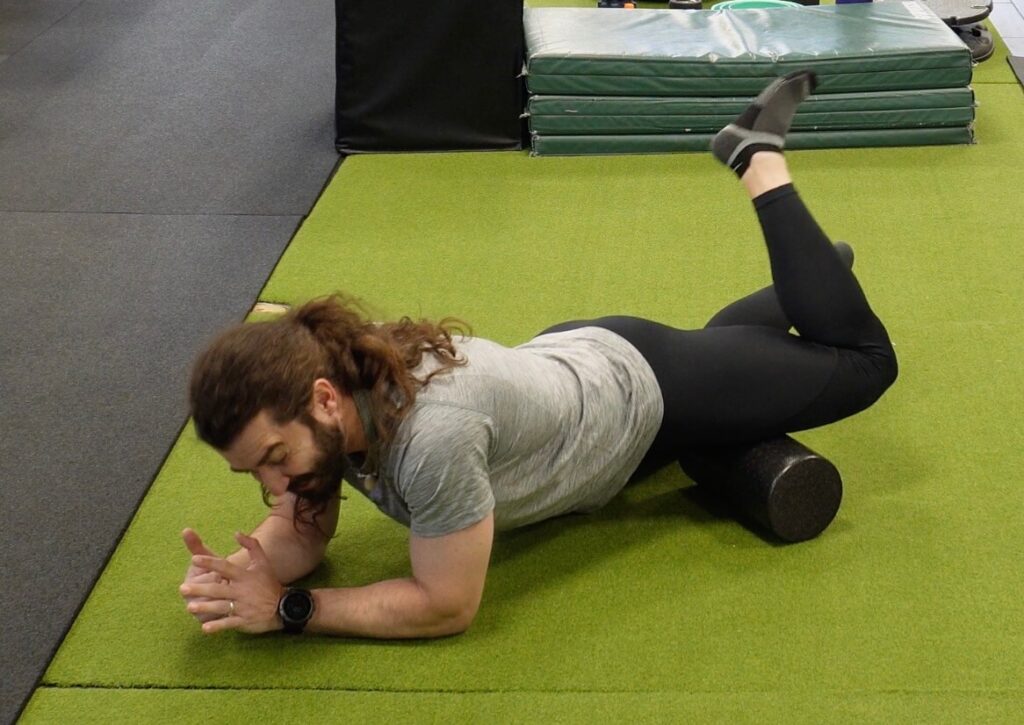
It’s not that uncommon for people to base their mobility routine on how intense it feels. They want the deepest stretch, the most painful foam rolling session, or the biggest “release.”
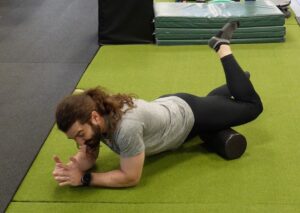
But more pain doesn’t always mean more progress. Especially if you’re whole body is tense from the pain! (we see this with foam rolling sometimes… if your body is too tight you won’t get the benefits).
Sometimes the area that feels tight isn’t actually the problem. Tight muscles are often compensating for weakness, instability, poor movement mechanics, or lack of control somewhere else in the body.
For example, tight hip flexors can sometimes be linked to poor pelvic control. Tight hamstrings may be compensating for weak glutes. Tight shoulders may stem from limited thoracic mobility.
If you only focus on relieving tightness, you may completely miss the root cause of why your body feels restricted in the first place.
Solutions:
Here are some of our favorite mobility routines. We have some general mobility, joint specific, and sport specific routines! Try challenging yourself and do one of these routines every day for a month! Then come back and tell us how you feel.
If your mobility routine isn’t working, the answer usually isn’t to stretch harder or spend more time foam rolling.
Most people need to move more consistently throughout the day, combine mobility with strength and stability work, and make their warm-ups more intentional. Mobility isn’t just about becoming more flexible—it’s about helping your body move well, control movement, and tolerate the demands you place on it. That’s where real, lasting results come from.
Looking for a Program?
Your mobility routine should work for you — not against you. Explore the full lineup of MDRX programs for guided mobility solutions that help you move better, feel better, and stay active longer.